
Clinii logo with a purple dotted heart icon followed by the brand name in white text, representing healthcare technology and innovation.
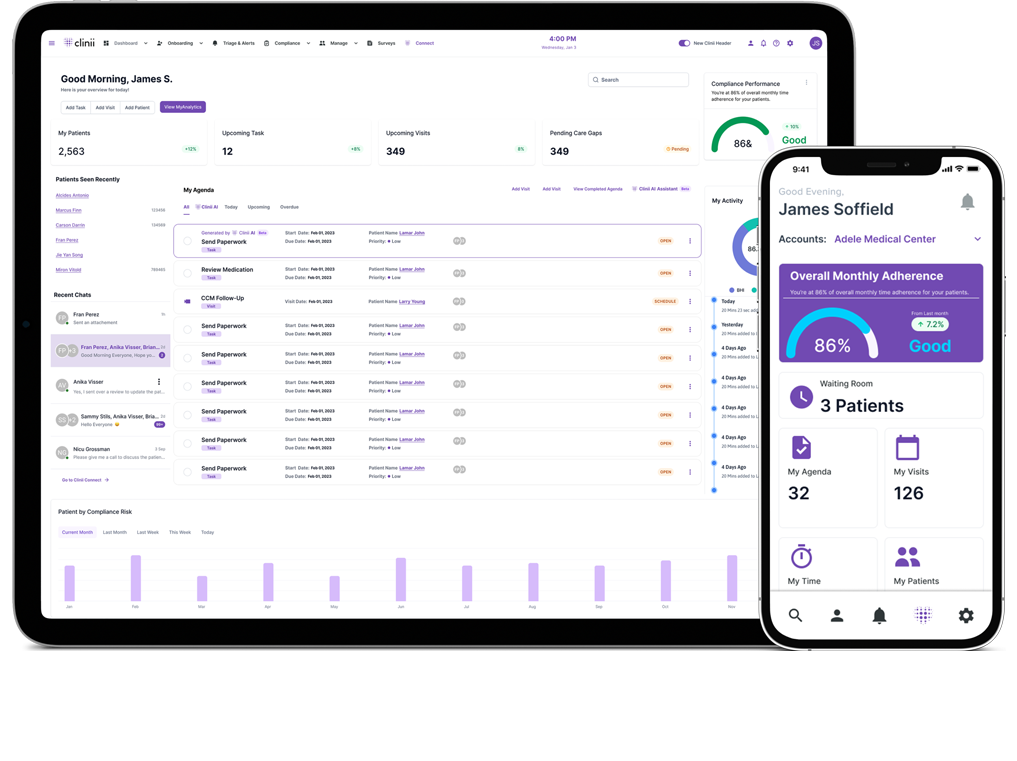
Clinii home page dashboard on tablet and mobile showing patient adherence and compliance tracking.

AI-Powered Chronic
Care Management

Clinii enhances your EHR—streamlining workflows, increasing revenue, and reducing costs without extra spend.

Request a Demo

What Gets in the Way of Scaling Chronic Care?

Icon representing incomplete or delayed patient notes in healthcare. Incomplete or Delayed Notes Leads to Gaps in Patient Care
Icon representing disorganized and inefficient calls in healthcare operations. Manual, Disorganized Calls Slow Care Coordination
Icon representing inconsistent patient care plans. Inconsistent Care Plans Limit Patient Progress Tracking
Icon representing incomplete and dropped tasks in healthcare workflow. Tasks Fall Through the Cracks Missed Patient Care Opportunities

100

Scale Your Care Management!

Learn More
Clinii purple logo featuring a stylized heart made of gradient purple circles, representing connected healthcare technology and innovation.

How Clinii Works

See How it Works
EHR Linking Patient Enrollment Care Management Revenue Management
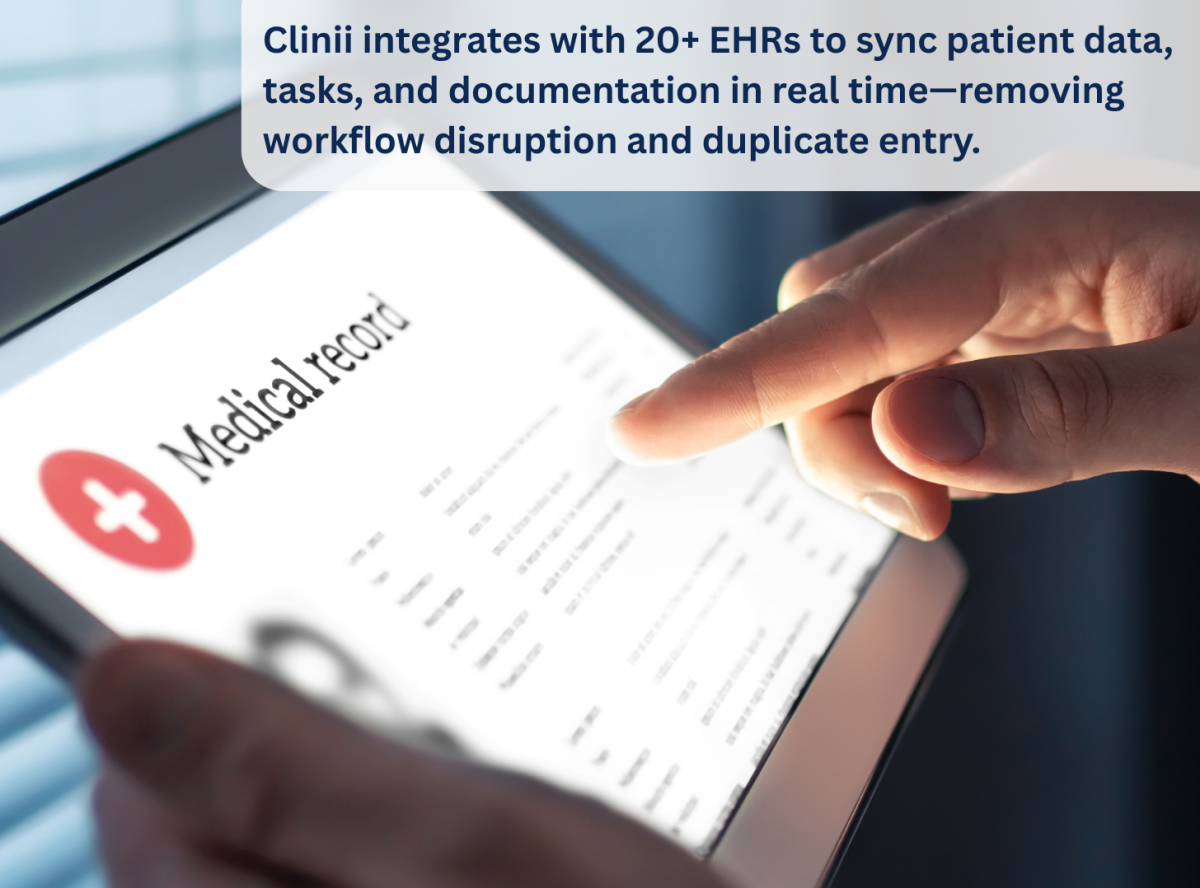
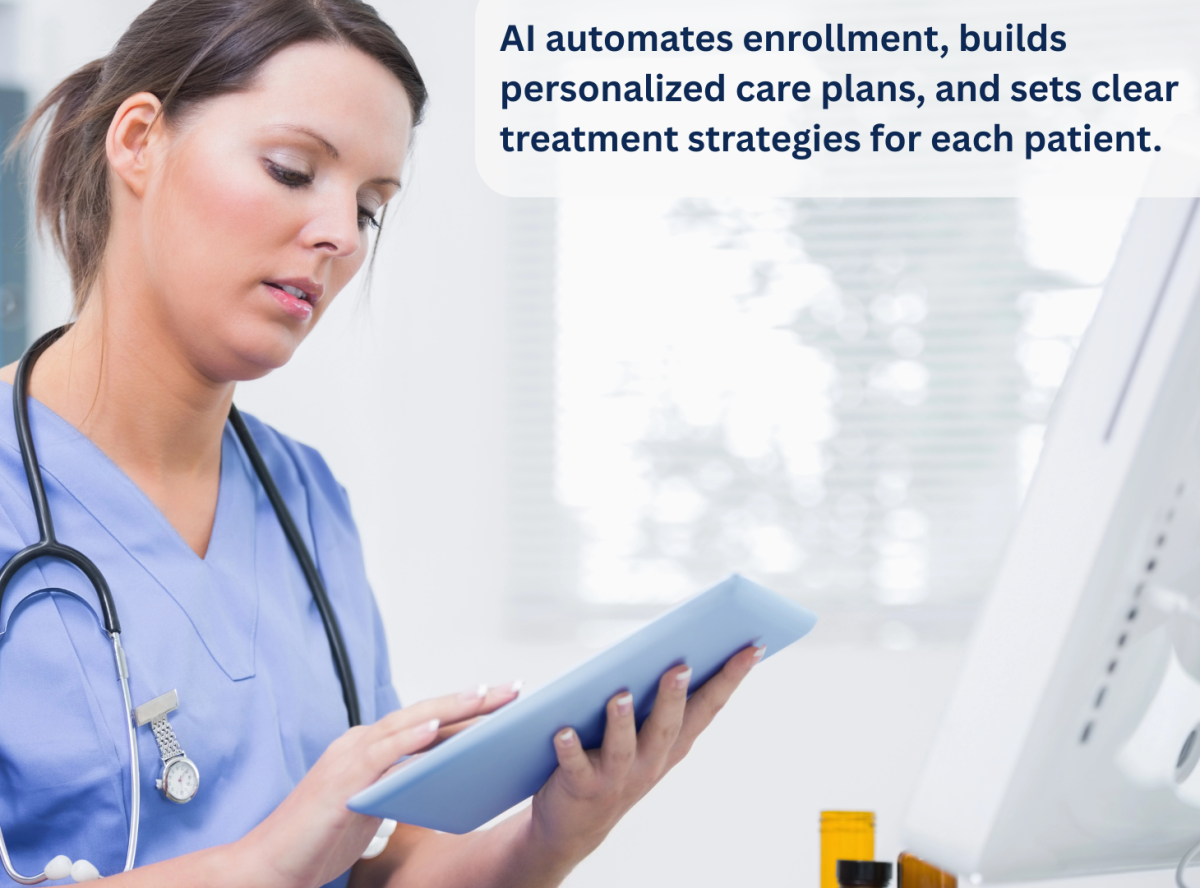
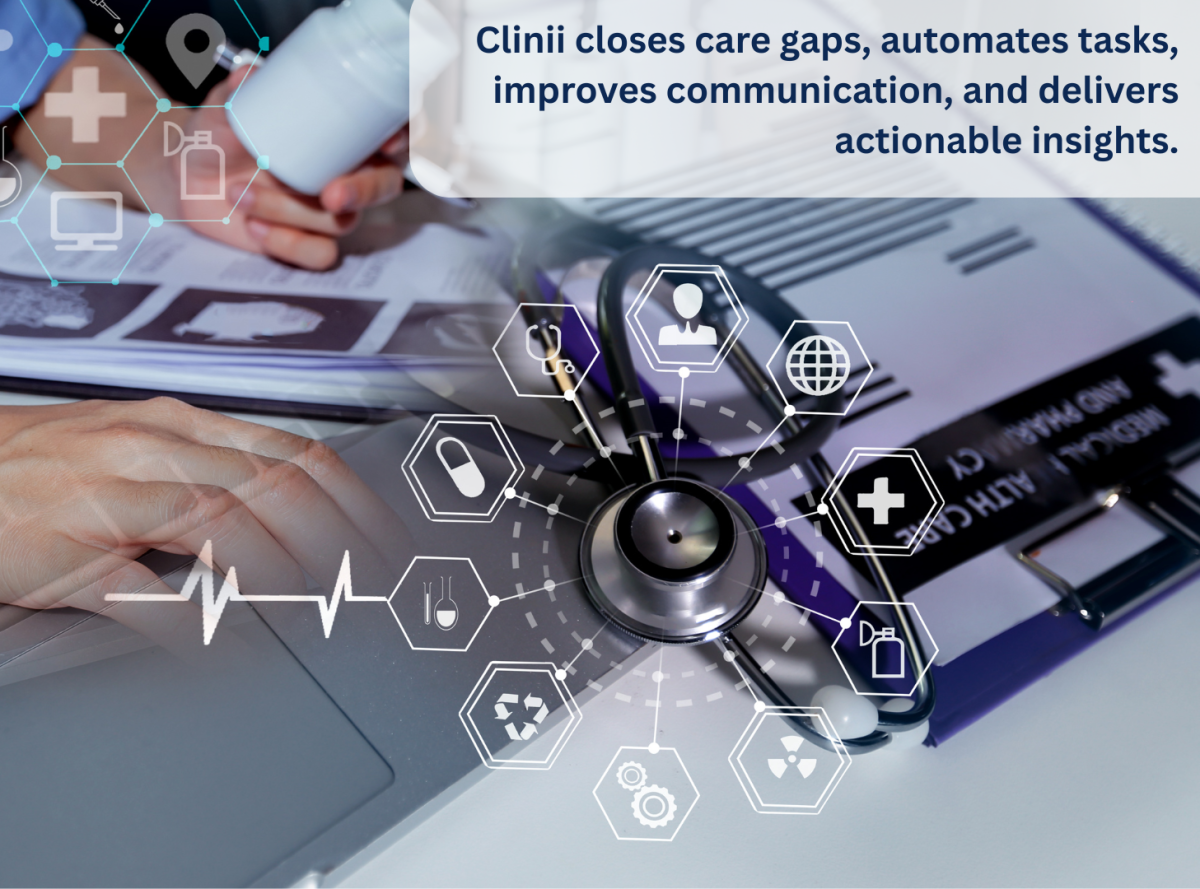
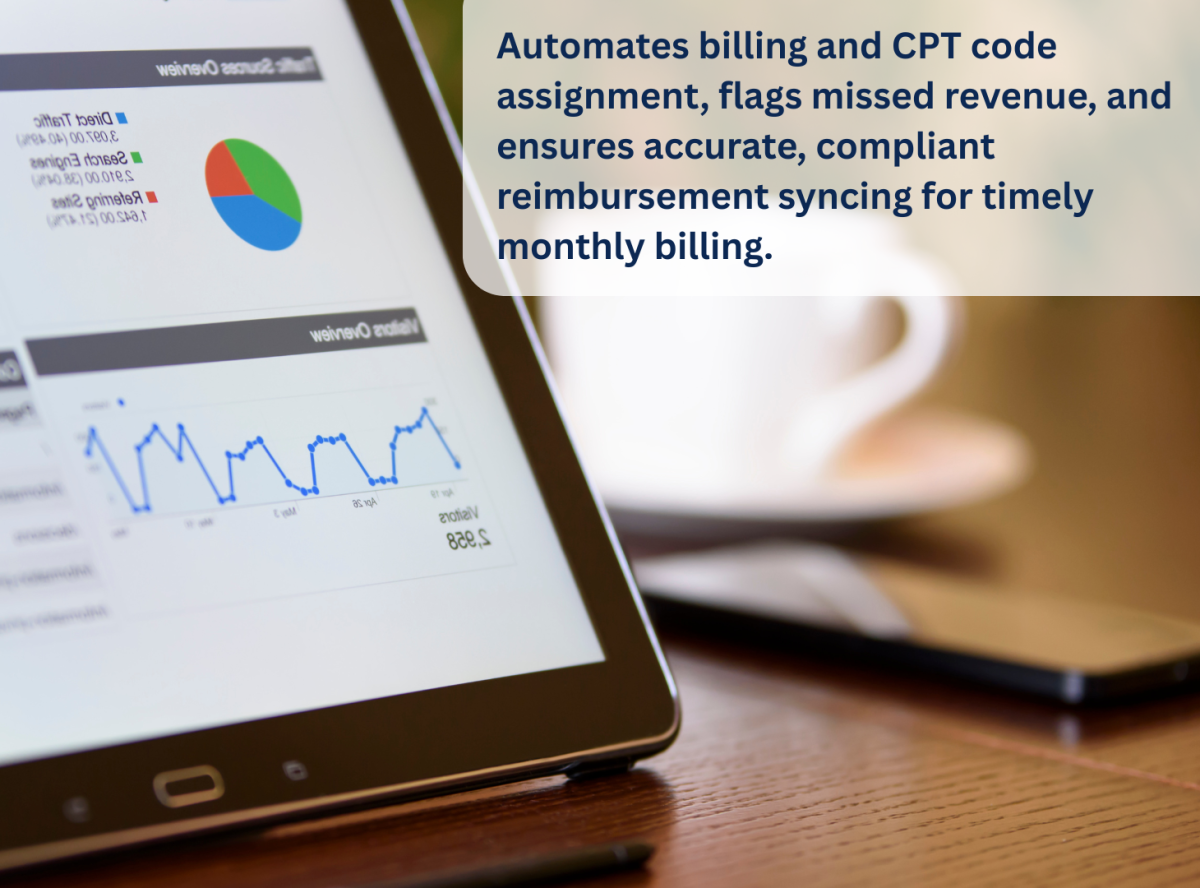
Tablet displaying electronic health records for real-time EHR integration in healthcare.Nurse using tablet with AI automation to create personalized patient care plans.Healthcare technology with stethoscope and data icons for closing care gaps and automating tasks.Tablet showing analytics dashboard for automated medical billing and CPT code assignment.

Test

23 d d sds sd sdsd
4556 d d sds sd sdsd
4343 d d sds sd sdsd

Test

123223 1232345454 54 54 54
334 1232345454 54 54 54
566767 1232345454 54 54 54

Product Overview

More About Products
purple web icon White web icon

Clinii Web

Centralized care management platform to track tasks, document care, and capture revenue seamlessly.

Explore More
purple design icon White design icon

Clinii Clinician App

Mobile app for providers to manage care, document notes, and stay connected on the go.

Explore More

Patient App

purple smartwatch icon white smartphone icon

Clinii Mobile App

Patient app for communication, reminders, and engagement—designed for ongoing chronic care support.

Explore More
purple ai icon white ai icon

Clinii Connect-AI

Embedded AI powering communication, documentation, billing, and task automation across the entire Clinii ecosystem.

Clinii Connect-AI

"Every streamlined process means more moments spent where they matter most, with your patients."

Single Practices
Medical Groups
MSOs
Doctor reviewing blood pressure recommendations and patient risk score on digital health platform.
Boost Monthly Revenue
Automatically capture more reimbursement across all eligible care management programs.
No Extra Staff Required
Automate documentation, task tracking, and billing—run care management without hiring.
Works Inside Your EHR
Seamless integration means no new system to learn or manage.
Compliant & Audit-Ready
Ensure every minute is tracked, every claim is compliant, and every chart is complete.
Get a Quote
Clinii platform interface showcasing seamless multi-practice EHR integration with AthenaHealth and PointClickCare, featuring unified provider workflow and patient data access for chronic care coordination.
Centralized Oversight Across Providers
Standardize care delivery, reporting, and reimbursement across locations and specialties.
AI-Powered Workflow Automation
Reduce admin burden for physicians and staff while improving patient engagement.
Manage VBC & FFS in One Platform
Support both value-based and fee-for-service populations with unified tools, workflows, and billing.
Actionable Insights at Scale
Identify care gaps, high-risk patients, and missed revenue across your network.
Get a Quote
image
Maximize Reimbursement Opportunities
Track and bill for over 45 care codes including CCM, PCM, BHI, and TCM.
Optimize Care Team Efficiency
AI prioritizes tasks and auto-documents care—enabling care managers to scale without burnout.
Track Performance & Compliance
Monitor task completion, billing time, and care plan adherence across all clients and contracts.
Differentiate Through Scalable Infrastructure
Deliver high-quality, cost-efficient care at scale—while offering clients a turnkey, tech-enabled solution.
Get a Quote
Doctor reviewing blood pressure recommendations and patient risk score on digital health platform.Clinii platform interface showcasing seamless multi-practice EHR integration with AthenaHealth and PointClickCare, featuring unified provider workflow and patient data access for chronic care coordination.image

Seamless Integration With 20+ EHRs

Syncs data in real time, automates tasks, and aligns billing—no disruption to existing workflows.

See All Programs
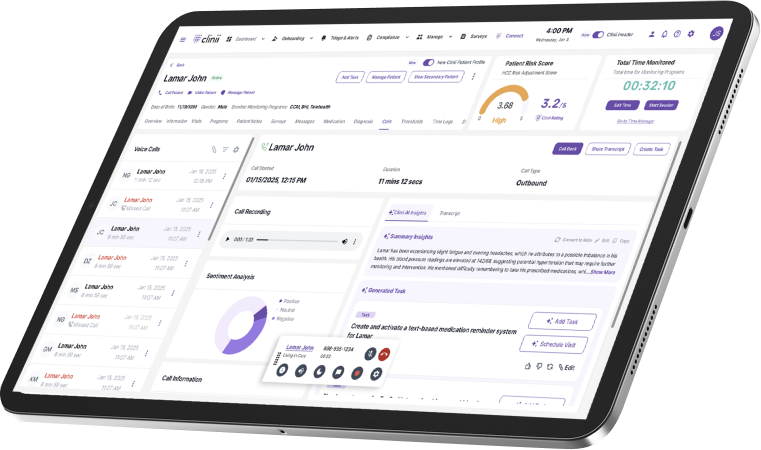

Clinii healthcare dashboard displayed on iPad showing patient records, call summaries, sentiment analysis, and task management tools.
92
30

Сlinii by the Numbers

Clinii’s AI-powered chronic care platform streamlines everything from enrollment to billing—saving time, reducing errors, and boosting revenue.

More About Us

Map of the United States composed of small purple dots with the Clinii logo centered.
Patients Served 500,000+ Across the United States
Active Providers 2,500+ Engaged with Clinii's care management tools
Care Managers/Coordinators 4,500+ Supporting patients daily
Supported Billing Codes 45+ Medicare-approved programs

Proven Outcomes Across Clients Using Clinii's AI-Powered Chronic Care Platform

From enrollment to billing, Clinii cuts costs and improves outcomes
Enrollment Enhancements
85 Reduction in outreach time
95 Qualification accuracy
50 Faster enrollment
Streamlines patient intake and outreach Tracks qualification in real-time Integrates with marketing tools
Care Management Enhancements
300 Reduction in outreach time
200 Qualification accuracy
70 Faster enrollment
AI-generated notes and documentation Gap closure support with real-time data Smart alerts for care plan refinement
Task Management Enhancements
55 Improve Workforce Efficiency
80 Reduction in Manual Task Entry
Automates daily scheduling for teams Prioritizes tasks by urgency and risk Enables remote team tasks collaboration
Billing & Cycle Enhancements
92 Claim Approval Rate
85 Reduction in Billing Errors
30 Increase in Revenue Recovery
Automates billing code assignment Ensures ongoing regulatory compliance Works with your existing billing tools to create charges
Enrollment Enhancements
85 Reduction in outreach time
95 Qualification accuracy
50 Faster enrollment
Streamlines patient intake and outreach Tracks qualification in real-time Integrates with marketing tools
Care Management Enhancements
300 Reduction in outreach time
200 Qualification accuracy
70 Faster enrollment
AI-generated notes and documentation Gap closure support with real-time data Smart alerts for care plan refinement
Task Management Enhancements
55 Improve Workforce Efficiency
80 Reduction in Manual Task Entry
Automates daily scheduling for teams Prioritizes tasks by urgency and risk Enables remote team tasks collaboration
Billing & Cycle Enhancements
92 Claim Approval Rate
85 Reduction in Billing Errors
30 Increase in Revenue Recovery
Automates billing code assignment Ensures ongoing regulatory compliance Works with your existing billing tools to create charges

Explore Our Supported Care Management Programs Who They're for & What They Solve

Clinii offers a complete suite of care programs tailored for providers of all sizes—from solo practices to Value-Based Care networks. Find the program that aligns with your care model.

CCM

Chronic Care Management (CCM)

Clinii’s Chronic Care Management (CCM) solutions enable providers to deliver personalized remote support, track patient progress, and maximize CMS reimbursements—all while reducing hospital readmissions.

Learn more

PCM

Principal Care Management (PCM)

For patients managing a single high-risk chronic condition, Clinii’s Principal Care Management (PCM) program provides targeted support, care coordination, and specialist oversight.

Learn more

BHI

Behavioral Health Integration (BHI)

Clinii’s Behavioral Health Integration (BHI) services provide seamless collaboration between primary care providers and mental health specialists, improving access and driving better overall health outcomes.

Learn more

APCM

Advanced Primary Care Management (APCM)

Clinii’s Advanced Primary Care Management (APCM) services provide healthcare teams with the tools and support needed to deliver high-quality, patient-centered care.

Learn more

RPM

Remote Physiological Monitoring (RPM)

Clinii’s Remote Physiological Monitoring (RPM) solutions empower providers to track real-time patient vitals, detect early health risks, and reduce hospital visits through continuous remote monitoring.

Learn more

CHI

Community Health Integration (CHI)

Clinii’s Community Health Integration (CHI) program connects patients to local resources, care coordinators, and preventive health initiatives—helping enhance equitable access, patient engagement, and public health outcomes.

Learn more

AWV

Annual Wellness Visit (AWV)

Clinii’s Annual Wellness Visit (AWV) program helps providers deliver preventive care assessments, identify health risks early, and improve Medicare reimbursement efficiency.

Learn more

RTM

Remote Therapeutic Monitoring (RTM)

Clinii’s Remote Therapeutic Monitoring (RTM) solutions enable providers to track medication adherence, respiratory health, musculoskeletal recovery, and behavioral therapy progress remotely.

Learn more

TCM

Transitional Care Management (TCM)

Clinii’s Transitional Care Management (TCM) services support providers in coordinating post-discharge care, optimizing Medicare reimbursements, and improving patient recovery outcomes.

Learn more

VBC

Value-Based Care (VBC)

Clinii’s Value-Based Care (VBC) solutions help providers transition from fee-for-service to outcome-driven reimbursement models.

Learn more

Blog

Stethoscope resting on printed healthcare bar and line charts showing monthly financial data; overlaid text reads “Four Types of Value-Based Care Payment Models You Should Know” with Clinii logo. Stethoscope resting on printed healthcare bar and line charts showing monthly financial data; overlaid text reads “Four Types of Value-Based Care Payment Models You Should Know” with Clinii logo.
4 Value-Based Care Payment Models You Should Know

Before you make the leap to a Value-Based Care model, it’s critical to understand the fundamentals of outcome-based payment structures. This article walks you through four key Value-Based Care models to help you determine the best fit for your organization’s goals.
Two healthcare professionals reviewing a tablet in a clinical setting with overlay text reading ‘What is Chronic Care Management? Two healthcare professionals reviewing a tablet in a clinical setting with overlay text reading ‘What is Chronic Care Management?
7 FAQs About Chronic Care Management

With four in 10 Americans living with multiple chronic conditions, Chronic Care Management (CCM) services have become a vital support system—especially for Medicare recipients. In this blog, we explore what CCM is, why it matters, and answer key questions to help navigate these essential services.

Annual Wellness Visits (AWV) promotional image showing a smiling doctor reviewing health information on a tablet with a senior patient, highlighting preventive care and patient engagement. Annual Wellness Visits (AWV) promotional image showing a smiling doctor reviewing health information on a tablet with a senior patient, highlighting preventive care and patient engagement.
8 FAQs About Medicare Annual Wellness Visits

As Value-Based Care becomes a cornerstone of the US healthcare system, the importance of preventive services like Annual Wellness Visits continues to grow.

A female doctor wearing a lab coat and red stethoscope gestures while sitting at a desk with a laptop, paperwork, and a patient’s hand visible. The overlaid title reads “What Is Behavioral Health Integration?” with the Clinii logo in the top right. A female doctor wearing a lab coat and red stethoscope gestures while sitting at a desk with a laptop, paperwork, and a patient’s hand visible. The overlaid title reads “What Is Behavioral Health Integration?” with the Clinii logo in the top right.
5 FAQs About Behavioral Health Integration

With access to behavioral health care still out of reach for many Americans and the stigma around mental health lingering, the US faces a worsening behavioral health crisis. One promising solution is Behavioral Health Integration (BHI), a care management program that empowers primary care providers to address both mental and physical health holistically.

Smiling nurse and elderly man sitting together and looking at a tablet, representing a trusting relationship in patient-centered care; overlay text reads “What is Patient-Centered Care?” with Clinii logo. Smiling nurse and elderly man sitting together and looking at a tablet, representing a trusting relationship in patient-centered care; overlay text reads “What is Patient-Centered Care?” with Clinii logo.
7 FAQs About Patient-Centered Care

Patient-Centered Care seeks to prioritize human connection and individual patient values. In this article, we dive deeper into what Patient-Centered Care means and address some of the most frequently asked questions surrounding this transformative approach.

A nurse in blue scrubs sits beside an older woman, showing her information on a digital tablet. The image includes the overlaid title “How Care Plans Can Help Bridge Gaps in Care” with the Clinii logo in the top right. A nurse in blue scrubs sits beside an older woman, showing her information on a digital tablet. The image includes the overlaid title “How Care Plans Can Help Bridge Gaps in Care” with the Clinii logo in the top right.
How Care Plans Can Help Bridge Gaps in Care

The US healthcare system wastes billions of dollars each year to subpar care coordination. A comprehensive, patient-centered care plan helps to close care gaps, enhance patient outcomes, and significantly cut down on unnecessary healthcare spending.
A healthcare professional using a calculator with charts and a clipboard on the desk; overlaid text reads “Fee-for-Service vs. Value-Based Care: Understanding the Differences” with Clinii logo. A healthcare professional using a calculator with charts and a clipboard on the desk; overlaid text reads “Fee-for-Service vs. Value-Based Care: Understanding the Differences” with Clinii logo.
Fee-for-Service vs. Value-Based Care: Understanding the Differences

As healthcare shifts its focus from volume to value, medical practices must evaluate how they’re reimbursed. Fee-for-Service and Value-Based Care each present unique pros and cons. Whether you prefer one model or a hybrid approach, understanding both is critical.

Smiling female doctor wearing a headset and white coat, engaging in a telehealth call on a laptop; text overlay reads “Communication in Healthcare: Why Care Teams Need to Get It Right” with Clinii logo. Smiling female doctor wearing a headset and white coat, engaging in a telehealth call on a laptop; text overlay reads “Communication in Healthcare: Why Care Teams Need to Get It Right” with Clinii logo.
Communication in Healthcare: Why Care Teams Need to Get it Right

Poor communication in healthcare can have life-or-death consequences. This article examines the cost of subpar communication while offering some helpful tips.

Close-up of pills, a stethoscope, U.S. dollar bills, and a calculator representing healthcare costs; overlaid text reads “How to Transition from Fee-for-Service to Value-Based Care” with Clinii logo. Close-up of pills, a stethoscope, U.S. dollar bills, and a calculator representing healthcare costs; overlaid text reads “How to Transition from Fee-for-Service to Value-Based Care” with Clinii logo.
How to Transition From Fee-for-Service to Value-Based Care

With healthcare costs increasing and patient outcomes declining, the traditional Fee-for-Service model is under fire. This article explores the shift toward Value-Based Care—an outcomes-driven approach that comes with improved results and greater accountability.
Close-up of a person in a yellow shirt taking prescription pills at a table, illustrating the difference between non-complex and complex Chronic Care Management (CCM). Close-up of a person in a yellow shirt taking prescription pills at a table, illustrating the difference between non-complex and complex Chronic Care Management (CCM).
Non-Complex vs. Complex Chronic Care Management: What’s the Difference?

Chronic Care Management (CCM) is a critical component of primary care that offers substantial benefits for Medicare patients and healthcare providers. However, navigating the nuances of CCM billing—especially distinguishing between non-complex and complex categories—can be challenging.

A smiling nurse in blue scrubs with a stethoscope around her neck uses a digital tablet in a brightly lit hospital setting, while the text on the left reads “PCM vs. CCM: A Visual Overview” in bold white letters over a purple overlay, with the Clinii logo in the top right corner. A smiling nurse in blue scrubs with a stethoscope around her neck uses a digital tablet in a brightly lit hospital setting, while the text on the left reads “PCM vs. CCM: A Visual Overview” in bold white letters over a purple overlay, with the Clinii logo in the top right corner.
PCM vs. CCM: A Visual Overview

Principal Care Management (PCM) and Chronic Care Management (CCM) are essential Medicare Part B services designed to support patients with chronic conditions. Though similar in purpose, these care models differ in ways that can significantly affect provider reimbursement. This article uses a concise comparison chart to highlight key distinctions and help healthcare professionals navigate billing more effectively.

More Articles
loading...